Left: original artwork
The original RGB image at its uploaded pixel dimensions, interpreted as sRGB when no embedded profile is present.
DOCUMENTED PRINT QUALITY
Real AI illustrations are compared with the image data inside their final colour-managed PDF/X-4 production files. We publish both the strengths and the measurable differences.
The original RGB image at its uploaded pixel dimensions, interpreted as sRGB when no embedded profile is present.
A colour-managed screen rendering made directly from the final production PDF/X-4, including its embedded CMYK image and output intent.
It documents the delivered production file without adding an artificial matte-paper simulation. A physical matte print can still appear less luminous than a backlit display and also depends on paper, printer, ink and viewing light.
Exact production pixel dimensions, physical page size and 300-DPI placement.
Contours, texture, luminance relationships and geometric preservation.
Measured colour difference after ICC-managed RGB-to-CMYK conversion.
Total area coverage is measured across the CMYK production image.
Output intent, profile, page boxes, image encoding and PDF structure.
The image is checked for unexpected trimming, stretching or distortion.
REAL TEST FILES
Both sides zoom and move together, so you always examine the same area. The web images are optimized screen previews; the published measurements are calculated from the full-resolution original and PDF/X-4 production files.
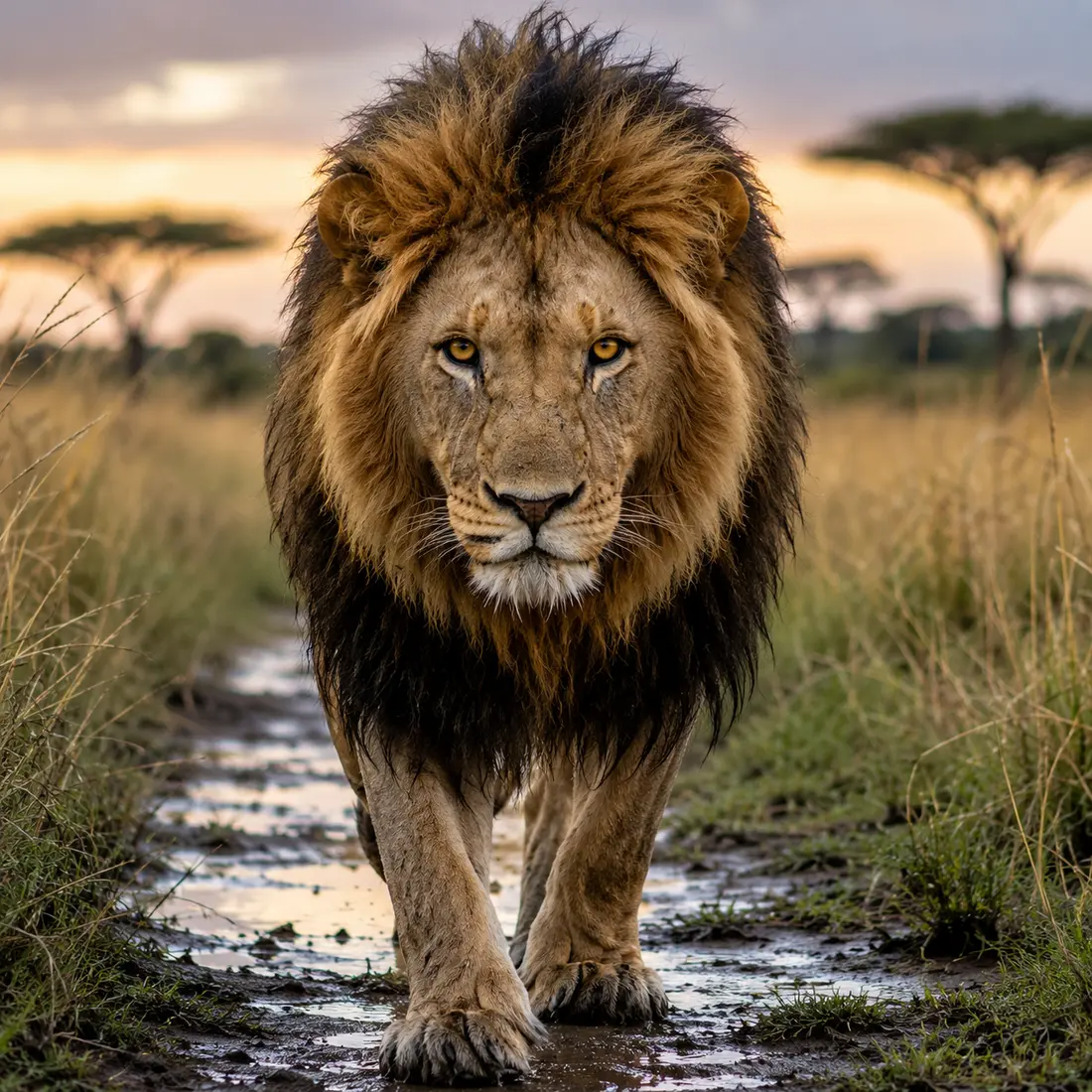
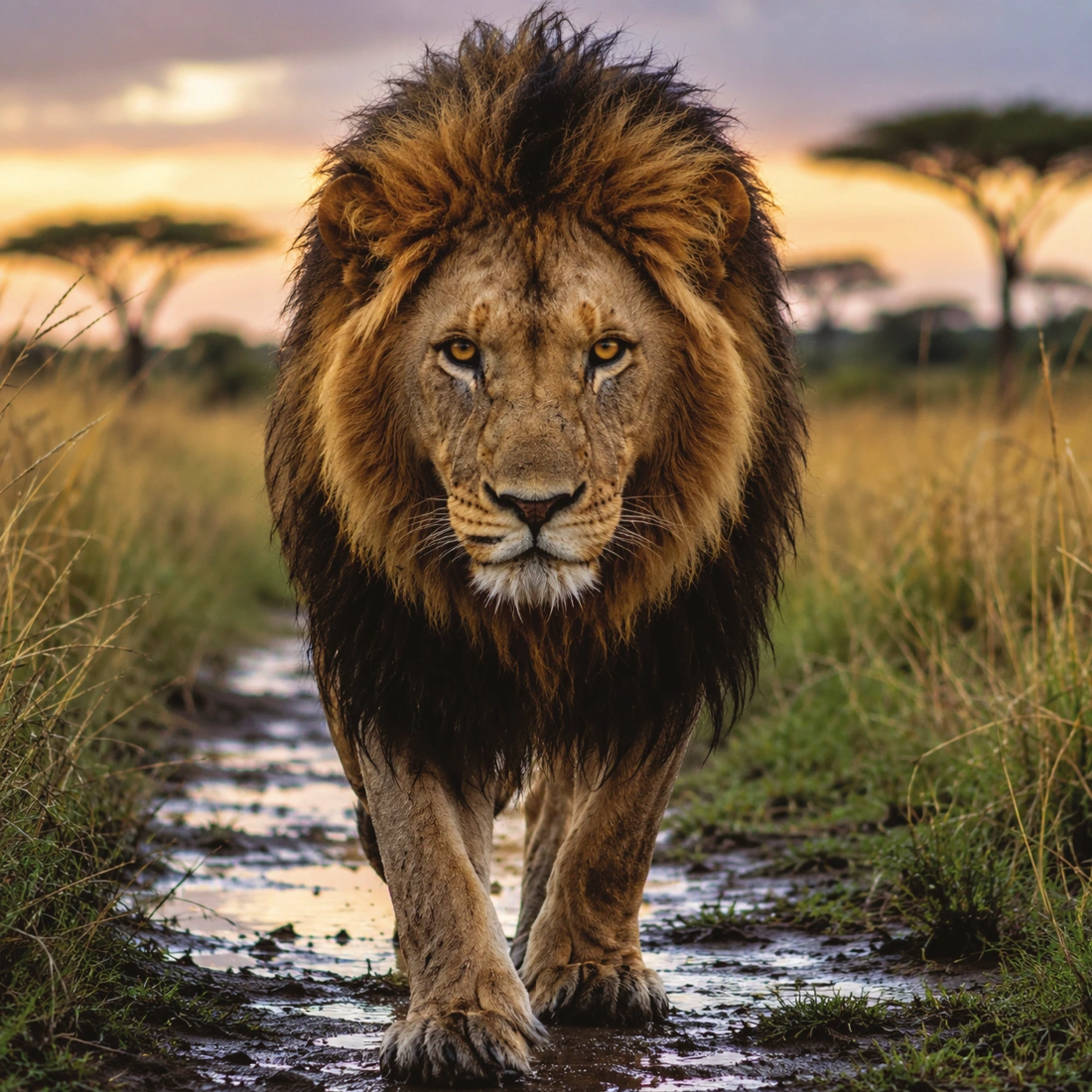
Strong preservation despite enlargement from 1,254 × 1,254 to 9,602 × 9,602 pixels. Warm colours and deep black areas receive a visible CMYK adjustment.


Excellent preservation of flat colour areas, contours, symbols and AI-generated text. Existing source-text errors are naturally preserved.
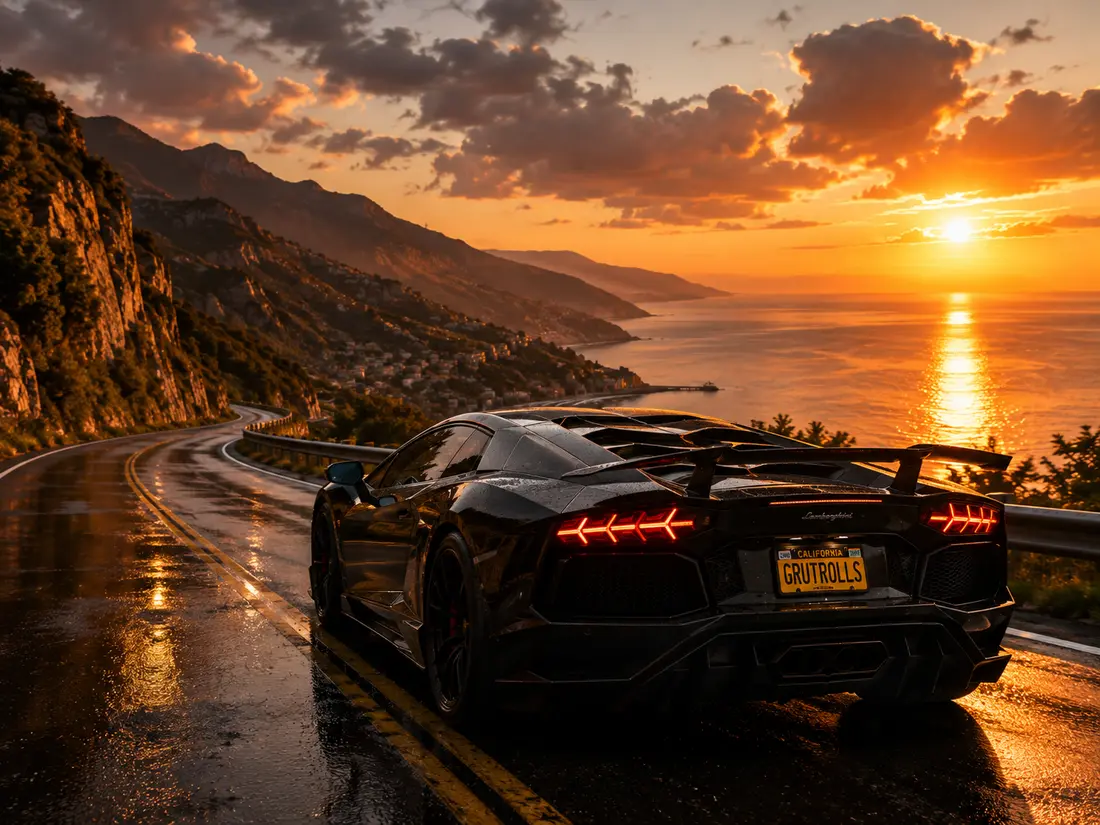
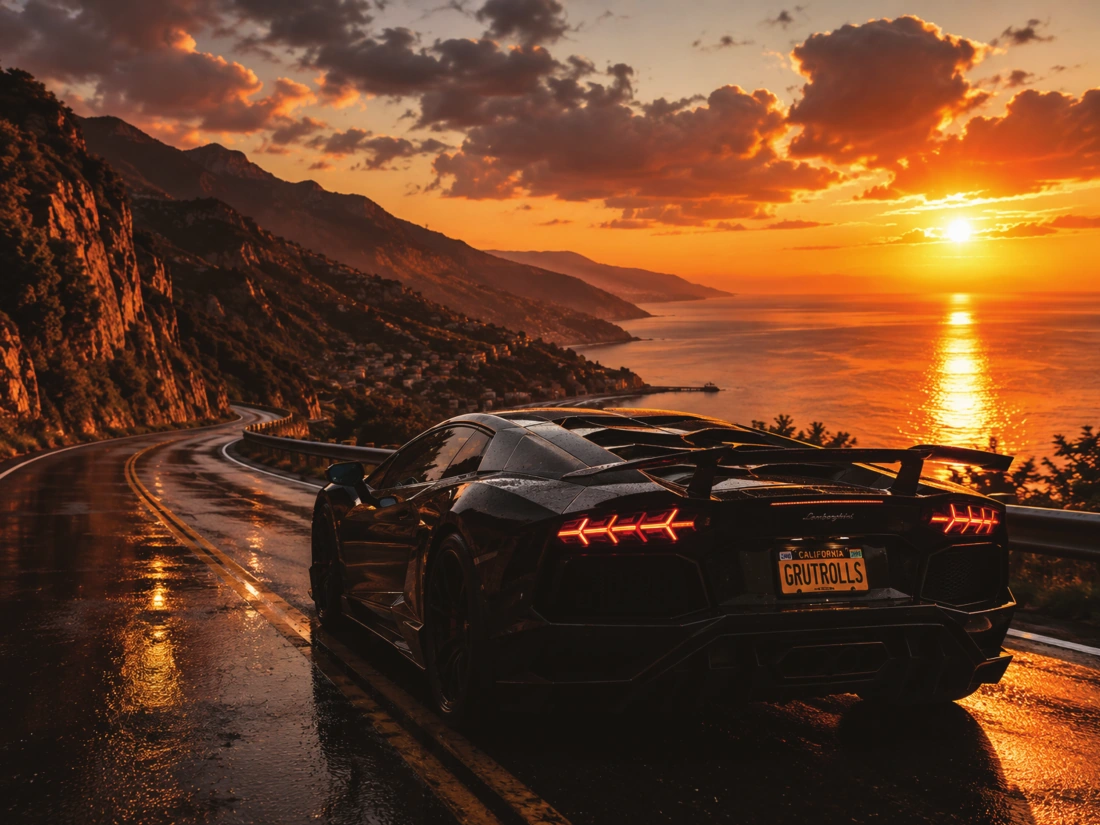
Geometry is preserved. Deep shadows and saturated sunset tones show a more visible, but controlled, CMYK adaptation.

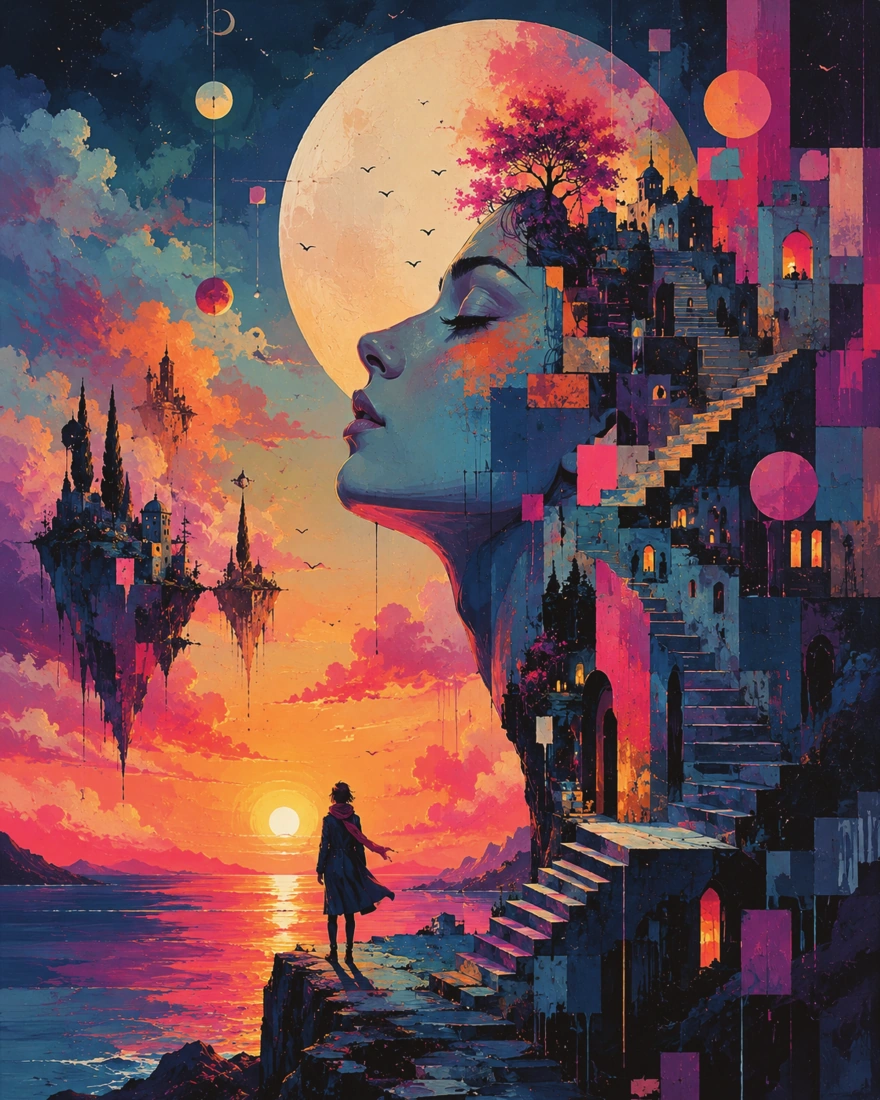
Very good structural preservation. Local saturated pink, orange and blue areas have larger colour differences than the neutral regions.
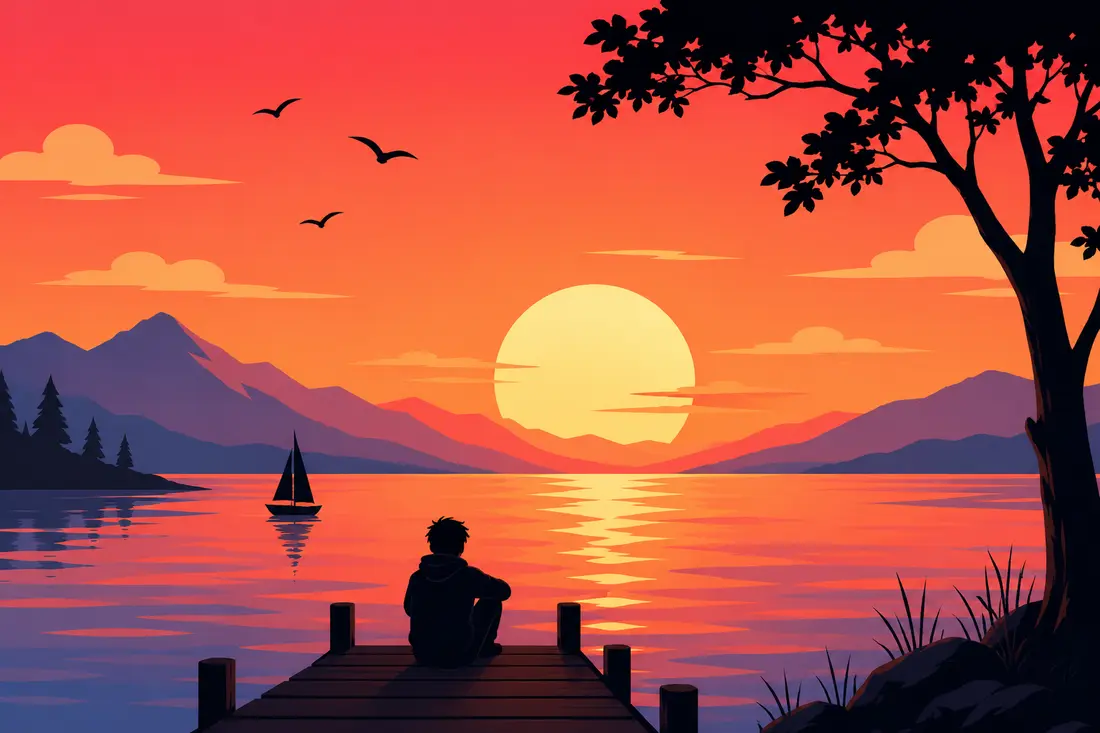
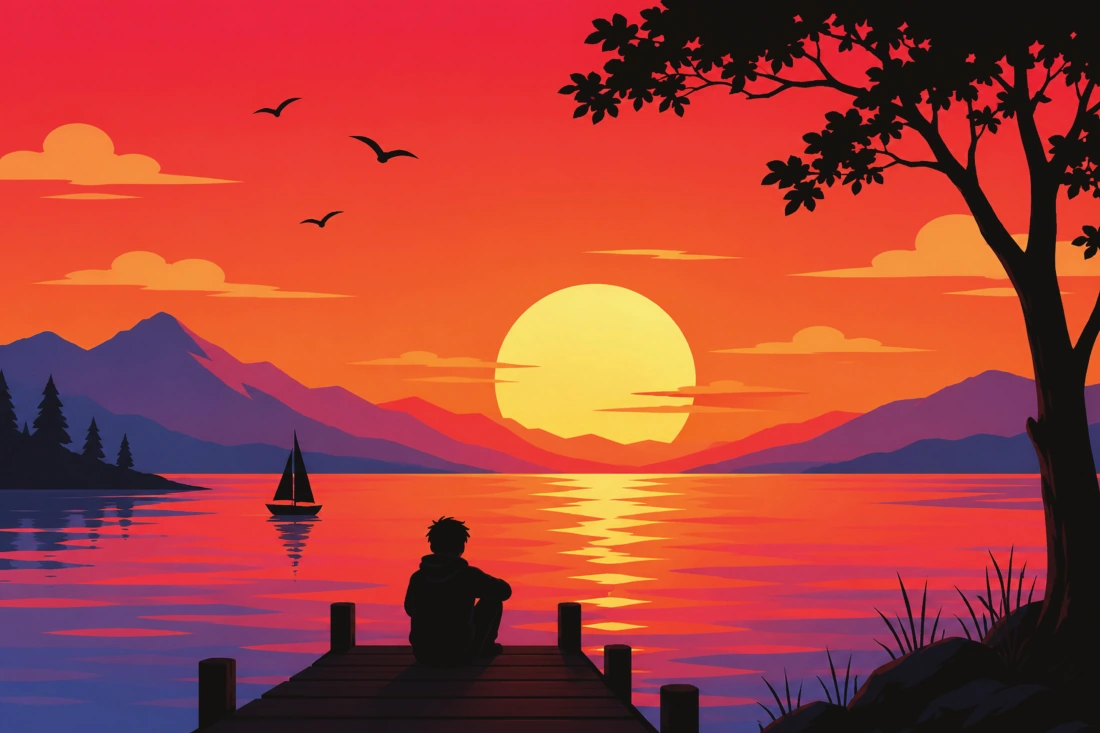
Excellent contour preservation with a visible colour adjustment in the most saturated areas. The production image is stored losslessly inside the PDF/X-4.
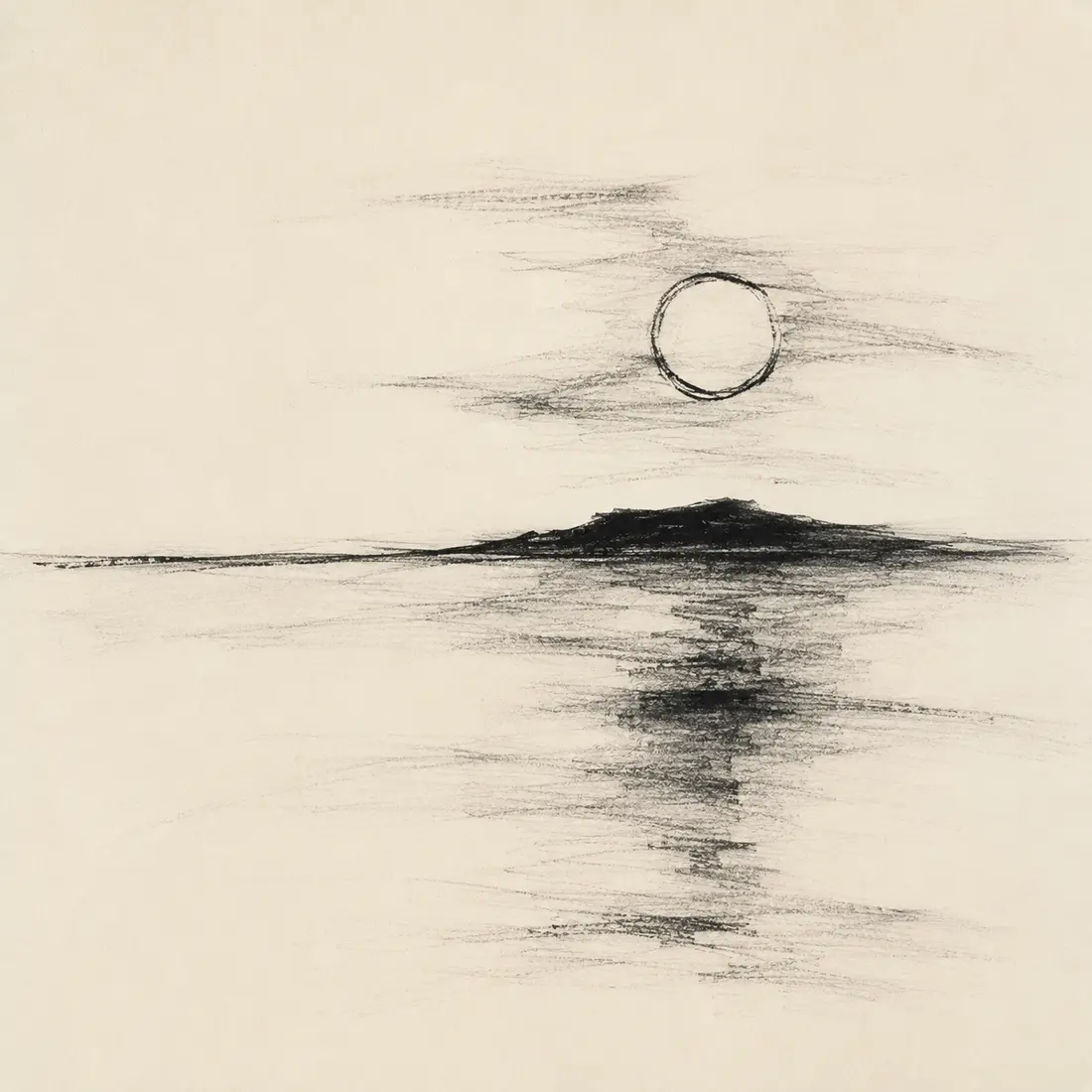
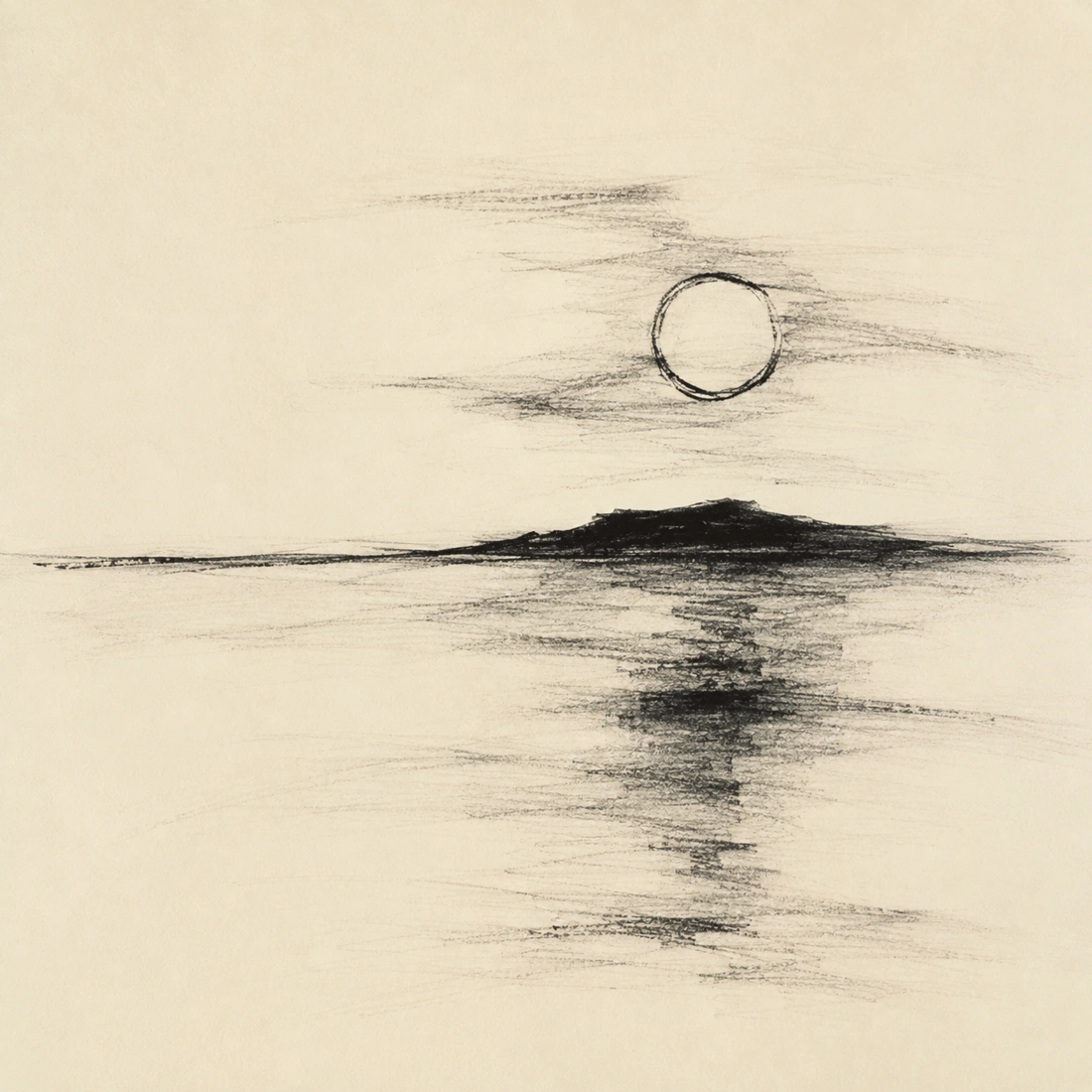
Fine paper texture, organic charcoal strokes and subtle neutral tones remain exceptionally close to the original after 7.66× linear enlargement.


Major contours, grass, tiny flowers, rock texture and fine waves remain clear. At extreme zoom, the enlargement interpolation is visible in the densest texture.


Eyes, freckles, lips, hair strands and natural skin texture are strongly preserved. The PDF/X-4 screen rendering is slightly warmer and more saturated.
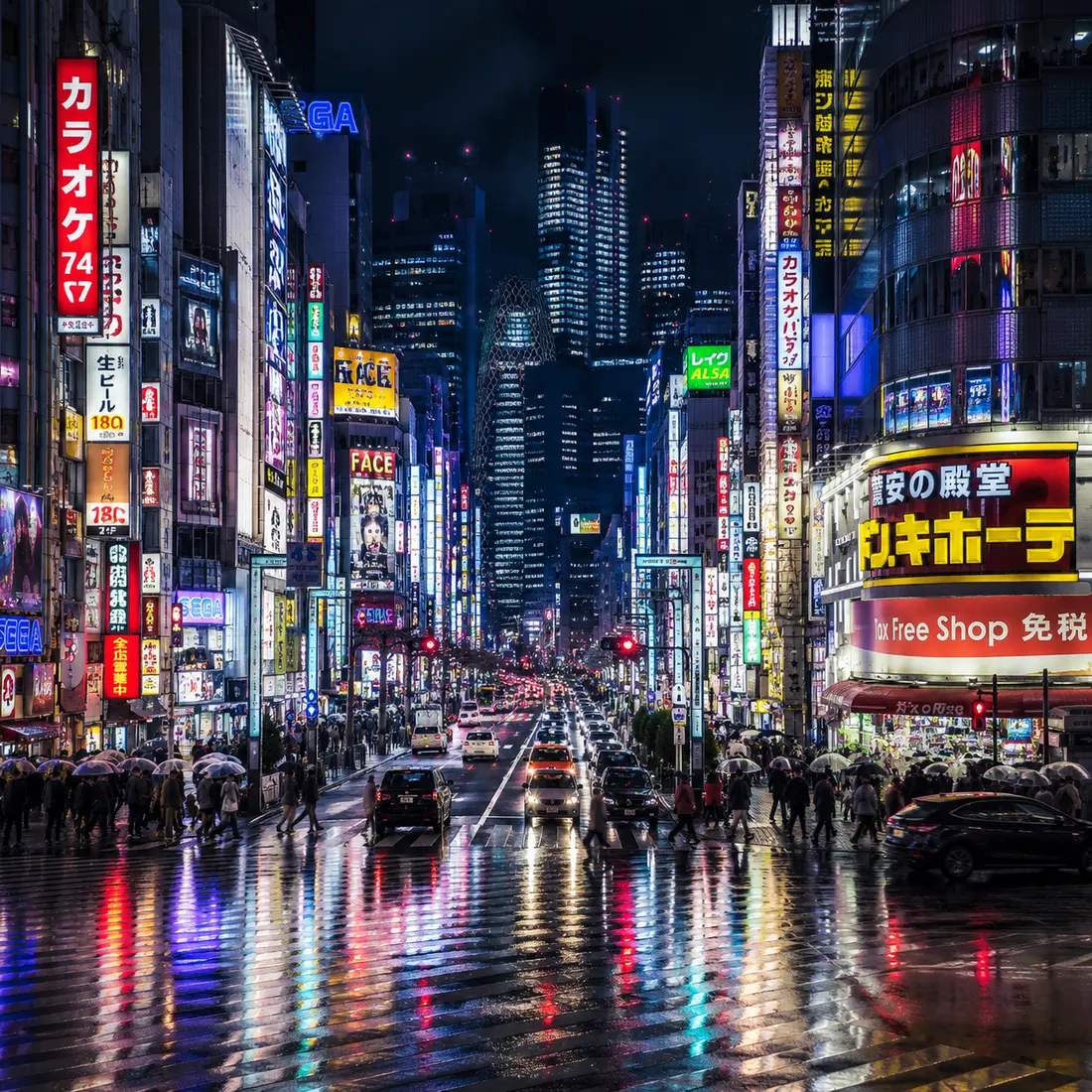
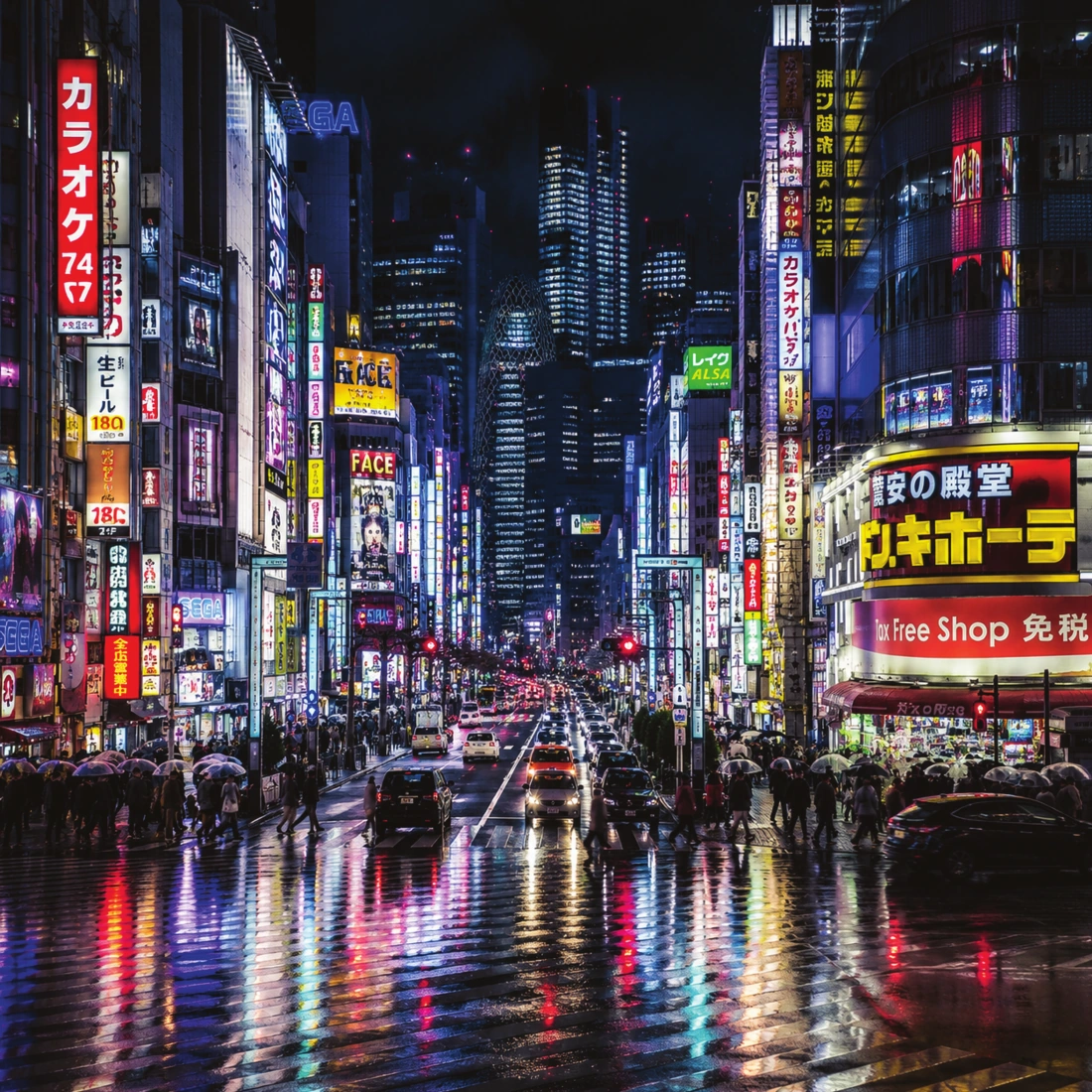
The most demanding colour test in the series. Signs, buildings, cars and reflections remain structurally clear, while some intense RGB neon colours are adapted to printable CMYK.
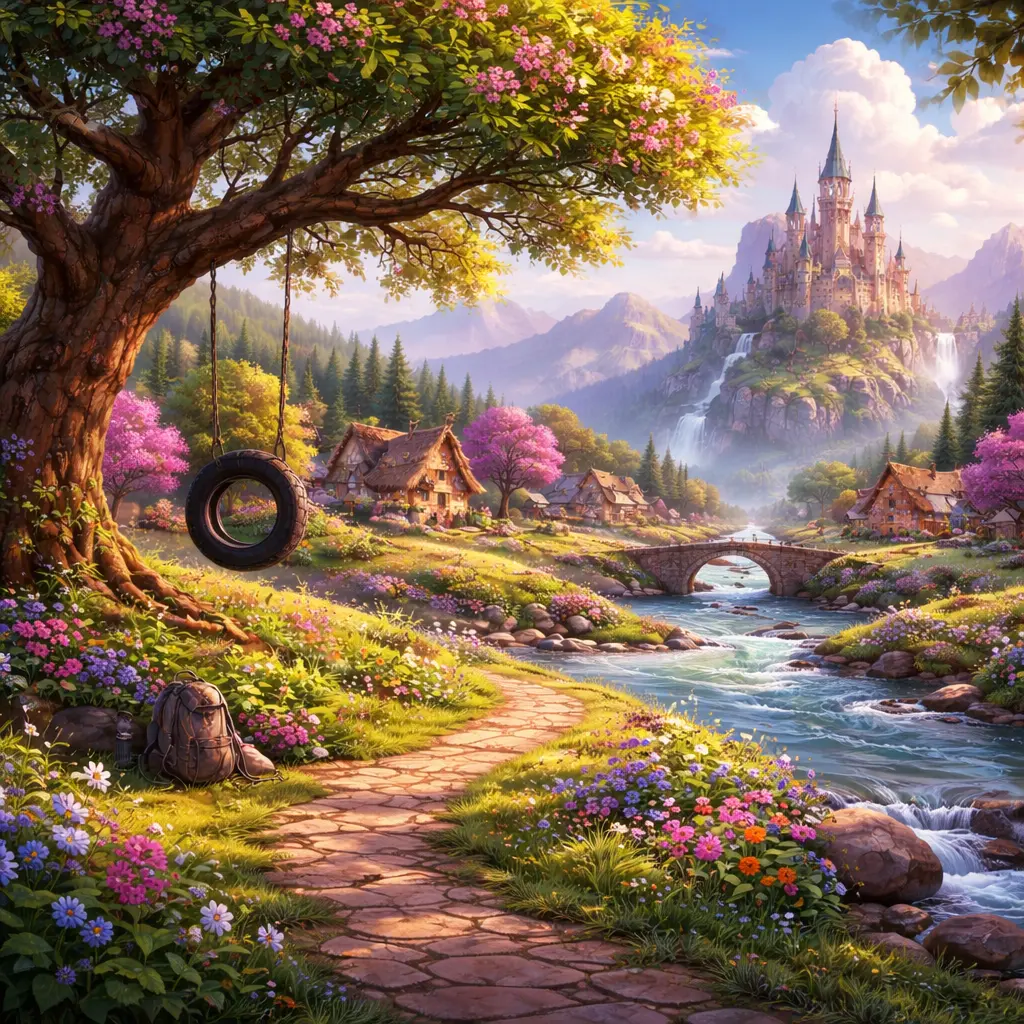
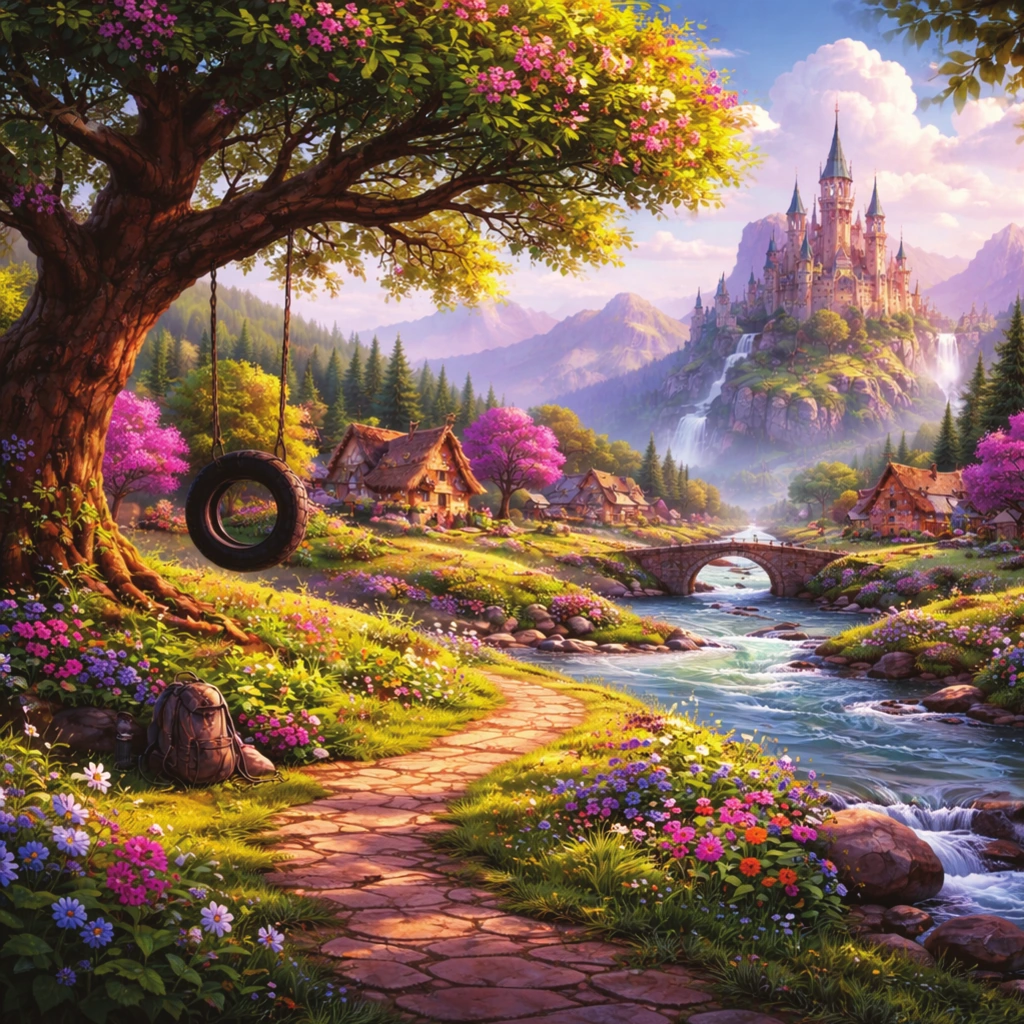
Castle towers, branches, flowers, houses, bridge, water and path remain clear despite enlargement from 1,024 × 1,024 to 9,602 × 9,602 pixels.
TEST COVERAGE
The series is intentionally varied. It includes results that are exceptionally close and results where printable CMYK creates a clearly visible change.
Skin, freckles, eyes, hair, fur, grass, flowers, charcoal and paper texture.
Neon RGB light, sunsets, deep shadows, neutral tones, pastels and saturated illustration.
Text-like graphics, buildings, cars, thin branches, silhouettes, reflections and dense landscapes.
Square, portrait and landscape artwork across several physical poster formats.
Linear enlargement from approximately 5.86× to 9.38×, including up to 87.9× more pixels.
No test is selected only because it looks perfect. Visible colour and texture changes are published too.
The tests show that substantial enlargement can preserve structure and detail very well. They also show that RGB-to-CMYK conversion is sometimes visible, especially in highly saturated sunsets, deep shadows and bright screen colours.
Convert2Print does not describe the print file as colour-identical to the original. It describes the result as controlled, measured and professionally prepared.
It verifies the digital production file. It cannot by itself prove the final physical print, which additionally depends on the production printer, ink, paper and viewing conditions.